SMS for Colleges: 3 Proven Lessons for Engaging Gen Z Students
Gen Z students spend hours daily on smartphones and expect instant, personalized communication from their institutions.
- Consistent messaging builds stronger relationships - Students with regular text interactions show higher GPA improvements and retention rates.
- Personalization drives engagement - Students respond more positively when messages address individual needs and circumstances.
- Trust-building conversations matter most - Two-way SMS creates authentic relationships that surpass transactional communications.
Implement AI-powered conversational SMS platforms designed for higher education to meet Gen Z's mobile-first expectations while maintaining authentic human connections.
Many students spend more time engaging with their smartphones than attending classes or participating in campus activities. Gen Z spends an average of 6 hours and 27 minutes on their phones daily, with over 95% owning smartphones and demonstrating distinct preferences for mobile-based learning.
While traditional higher education communication still relies heavily on email and campus portals, students expect the same instant, personalized digital experiences they receive from every other aspect of their lives.
Recent research partnerships between educational institutions and technology providers have revealed compelling evidence that SMS for colleges is essential for engaging modern learners. When institutions embrace mobile-first communication strategies, they see measurable improvements in student engagement, retention and academic success.
What Makes Gen Z Different in Their Communication Expectations?
Generation Z is the first truly mobile-native generation, having never known a world without smartphones and instant connectivity. Understanding their communication preferences requires recognizing how fundamentally different their relationship with technology has become compared to previous generations.
Unlike Millennials, who adapted to mobile technology, Gen Z developed alongside it. They receive an average of 192 notifications per day, meaning their phones buzz approximately every seven minutes. This constant connectivity has shaped their expectations for all communications, including those from educational institutions.
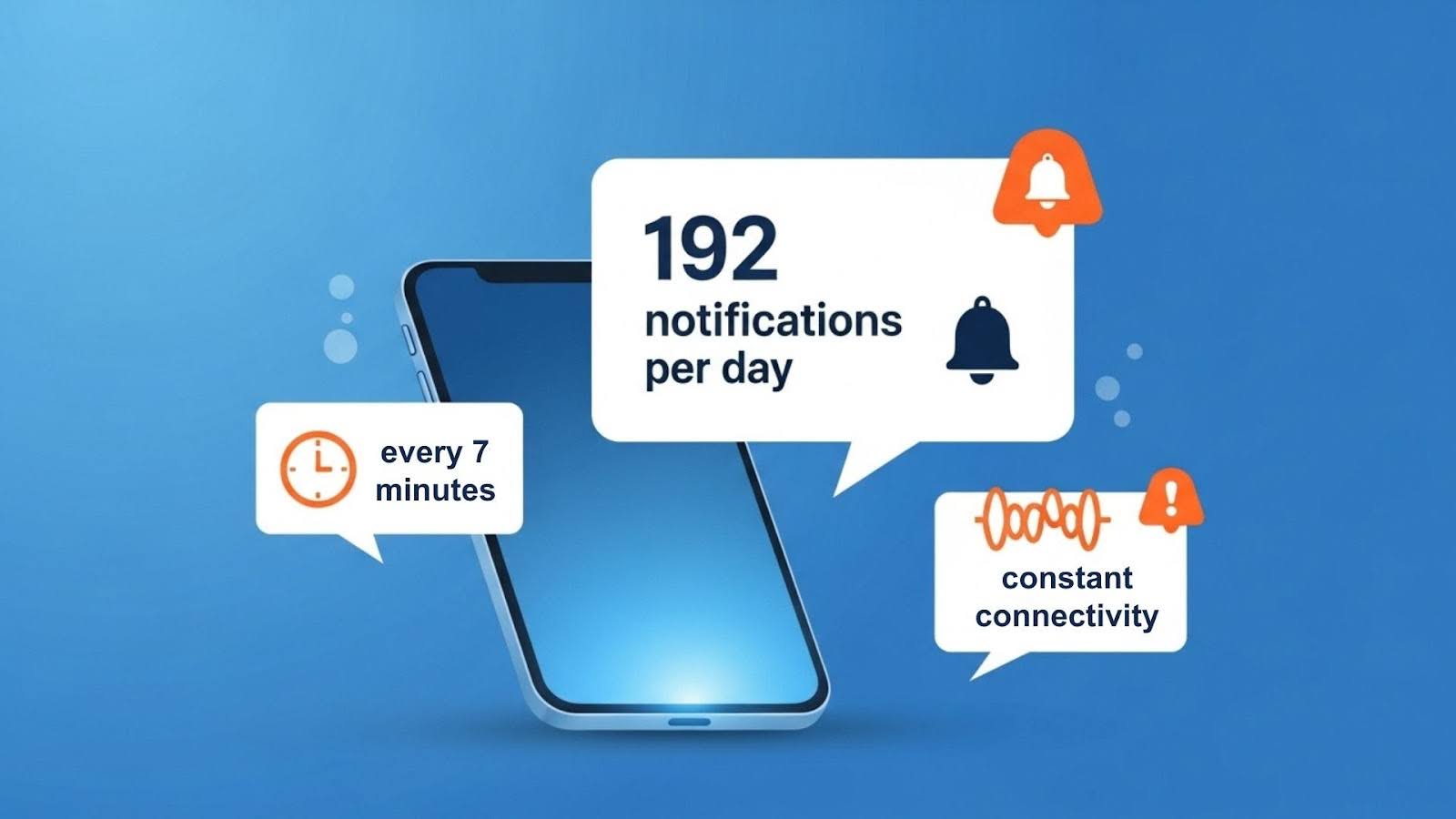
The data reveals striking behavioral patterns that institutions can't ignore. Nearly 99.2% of smartphone users experience some form of nomophobia (anxiety when separated from their devices). Among college students, 89% report moderate to severe symptoms, making mobile communication psychologically necessary for many learners.
These students have been conditioned to expect immediate responses and personalized interactions. Text messages achieve higher engagement rates compared to email, with most SMS responses occurring within minutes rather than the days typically required for email replies.
Research-Backed Evidence: How SMS for Colleges Transforms Student Outcomes
A comprehensive pilot study conducted by Peak Education, in partnership with Modern Campus, demonstrated the tangible impact of strategic text messaging on student academic performance. The research focused on "open messaging," consistent, personalized, two-way communication that builds authentic relationships rather than broadcasting institutional announcements.
The study's findings were compelling for students identified as "high-need," those who had struggled with low GPAs during the early months of the COVID-19 pandemic. These students, who typically face the greatest risk of academic failure and dropout, showed measurable improvements when engaged through personalized text messaging campaigns.
What made this research unique was its focus on relationship-building rather than simple information delivery. Instead of sending mass reminders about deadlines or policies, academic advisors engaged in genuine conversations that acknowledged each student's individual circumstances, challenges and goals.
The correlation between message frequency and academic improvement proved especially noteworthy. Students who engaged in more frequent text conversations with their advisors showed greater GPA increases, suggesting that consistent communication creates compound benefits over time.
3 Core Lessons for Effective SMS Implementation in Higher Education
The study revealed three fundamental principles that distinguish successful SMS programs from simple broadcast messaging. These insights provide a roadmap for institutions seeking to build authentic relationships with students through strategic text communication.
How Does Message Consistency Drive Student Success?
Greater GPA increases directly correlated with higher text message reply frequencies. Students who received and responded to more messages from their academic advisors were more likely to improve their academic performance over the semester.
This finding challenges the traditional approach of sending occasional, one-off communications to students. Instead, successful SMS strategies require sustained engagement that builds understanding over time. Each conversation provides advisors with deeper insights into student interests, barriers and motivations, enabling increasingly targeted and effective support.
The key lies in persistence without being pushy. Effective nudge strategies involve consistent messaging at appropriate intervals that guide students through complex processes without overwhelming them. Modern SMS for colleges enables this type of relationship-building communication through automated workflows that maintain personal touches.
Consistency also builds trust and familiarity. When students recognize and respond to messages from the same advisor or department over time, they develop confidence in the communication channel and are more likely to reach out proactively when they need support.
Why Personalization Matters More Than Ever for Gen Z
Generation Z has been shaped by algorithmic personalization since adolescence. They expect it as the baseline for any digital interaction. Generic, mass-distributed messages feel not just impersonal but actively disrespectful to students who are accustomed to hyper-targeted digital experiences.
Personalized communication improves engagement rates, and this preference is even stronger among college-aged students. For higher education, personalization extends beyond simply inserting a student's name into a template message.
Effective personalization for SMS in colleges requires leveraging student information systems data to deliver contextually relevant communications. A nursing student should receive different resources and deadlines than a business major. A student on academic probation needs more intensive support messaging than one maintaining a 4.0 GPA.
Modern SMS platforms integrate with existing campus systems to enable this level of personalization at scale. Rather than requiring staff to manually customize each message, these systems automatically segment audiences and deliver appropriate content based on predefined criteria and student characteristics.
When students receive relevant, timely information that acknowledges their individual circumstances, they develop stronger connections to their institution and feel more supported in their academic journey.
What Role Does Trust-Building Play in SMS Success?
The most significant finding from Peak Education's pilot study was about the power of authentic relationship-building through digital communication. Students who developed genuine connections with advisors through higher education text messaging reported feeling more supported and confident in their academic abilities.
This relationship-building approach requires treating SMS as a conversation platform. Two-way communication capabilities enable students to ask questions, share concerns and receive personalized guidance in real time.
Trust develops through consistent, authentic interactions that demonstrate genuine care for student success. When advisors respond thoughtfully to student questions and remember previous conversations, they create the foundation for lasting mentoring relationships.
Success came from prioritizing relationship-building over transactional messaging. Their "open messaging" approach focused on creating environments where students felt comfortable engaging in honest conversations about their academic challenges and goals.
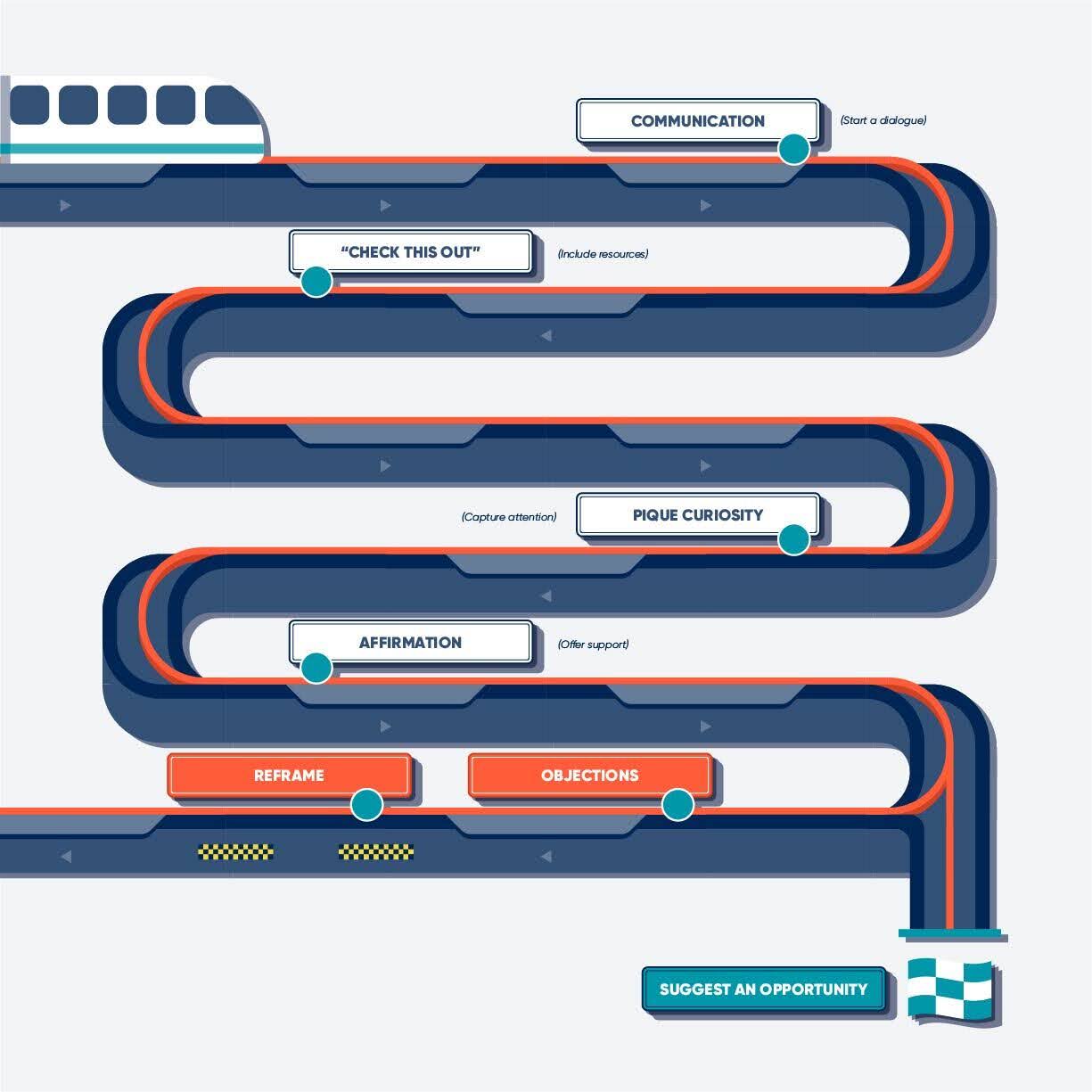
Strong student-faculty relationships often develop organically when staff take the initiative to reach out and engage. SMS for colleges provides an ideal platform for these initial connections, offering a low-pressure way for students to respond and engage when they're ready.
How Modern SMS Platforms Enable These Strategies at Scale
Implementing effective SMS strategies demands platforms designed specifically for higher education's unique needs and compliance requirements. Generic business texting tools lack the integration capabilities, privacy protections and specialized features that colleges and universities require.
Purpose-built higher education SMS platforms integrate with Student Information Systems, Customer Relationship Management tools and other campus technologies to create unified communication ecosystems. This integration enables the personalization and automation necessary to engage thousands of students individually while maintaining authentic human connections.
Advanced student communication tools combine AI-powered automation with genuine human conversation within single message threads. This blended messaging approach allows institutions to scale personalized communication while ensuring that students can always reach real staff members when they need additional support or have complex questions.
The most effective platforms also include built-in compliance features that protect student privacy while enabling meaningful engagement. FERPA regulations and TCPA requirements are automatically maintained through proper consent management, data encryption and audit trails that protect both students and institutions.
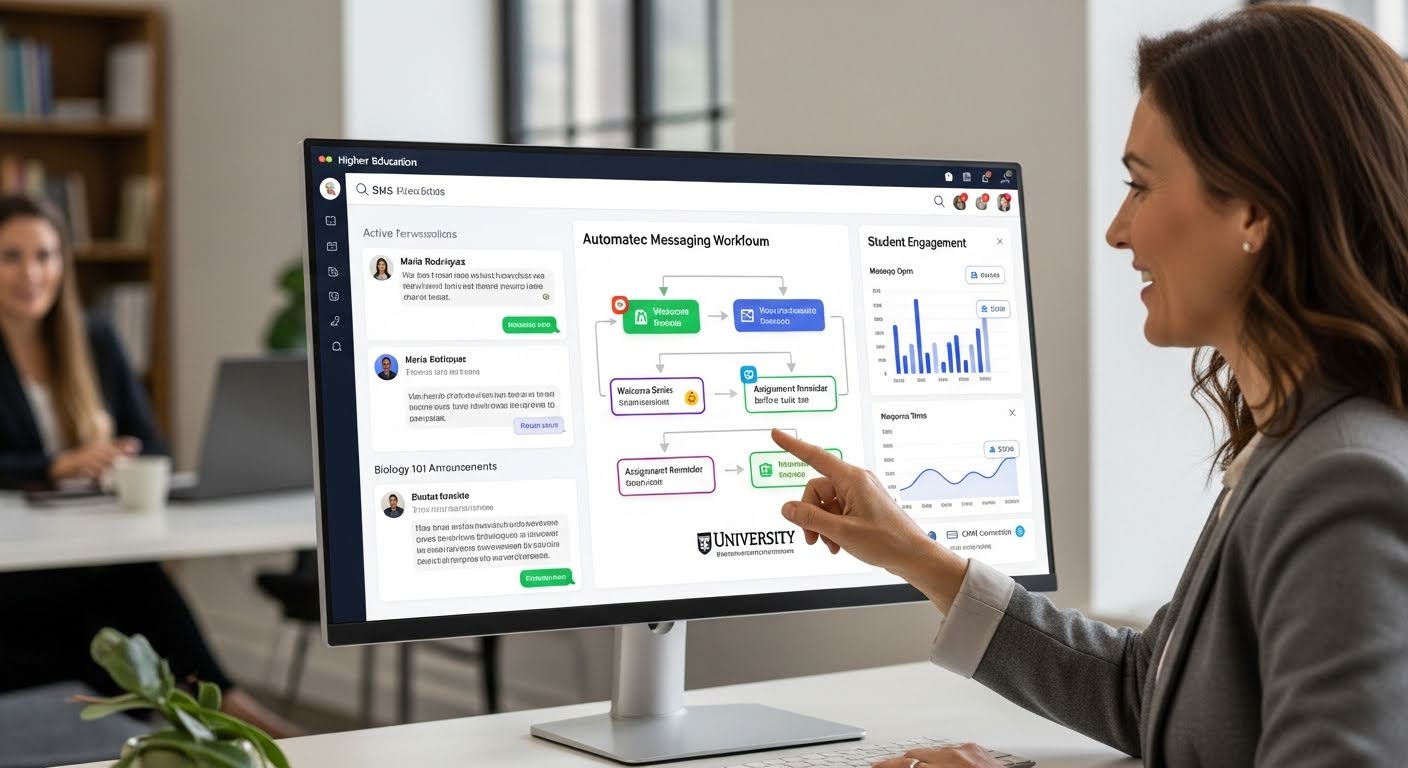
Analytics and reporting capabilities provide insights into message effectiveness, student engagement patterns and campaign performance. These metrics enable continuous improvement and demonstrate return on investment for SMS initiatives.
Implementation Best Practices for SMS Success
Start with clear goals, proper training and gradual rollout to ensure quality experiences for both students and staff when rolling out new SMS tools.
Pilot programs should focus on specific student populations or use cases rather than attempting campus-wide implementation immediately. Financial aid reminders, enrollment support or orientation communications provide excellent starting points that deliver immediate value while building institutional expertise.
Staff training proves critical for success, particularly for team members who will engage in direct conversations with students. Best practices for higher education text messaging include guidelines for tone, timing, response protocols and escalation procedures when students need additional support.
Consent management requires careful attention to both legal compliance and student preferences. Clear opt-in processes, easy opt-out mechanisms and transparent communication about message frequency and content types build trust while meeting regulatory requirements.
Consider existing campus systems and workflows to ensure SMS enhances rather than complicates current processes. The most successful implementations leverage existing data sources and complement established communication channels rather than replacing them entirely.
Essential Platform Features for Higher Education
When evaluating SMS platforms, prioritize solutions that offer two-way conversational capabilities rather than simple broadcast messaging. Students expect the ability to respond to messages and receive personalized follow-up, making interactive communication essential for relationship-building.
Automation capabilities should include both scheduled messaging and trigger-based responses that activate based on student actions or data changes. This enables timely outreach without overwhelming staff with manual tasks.
Multimedia messaging support allows for richer communication that includes images, links and documents when appropriate. Gen Z students respond positively to visual elements and appreciate the ability to access additional resources directly from text messages.
Audience segmentation tools enable targeted messaging based on academic status, demographics, interests or engagement levels. The ability to create detailed audience segments ensures that students receive only relevant communications.
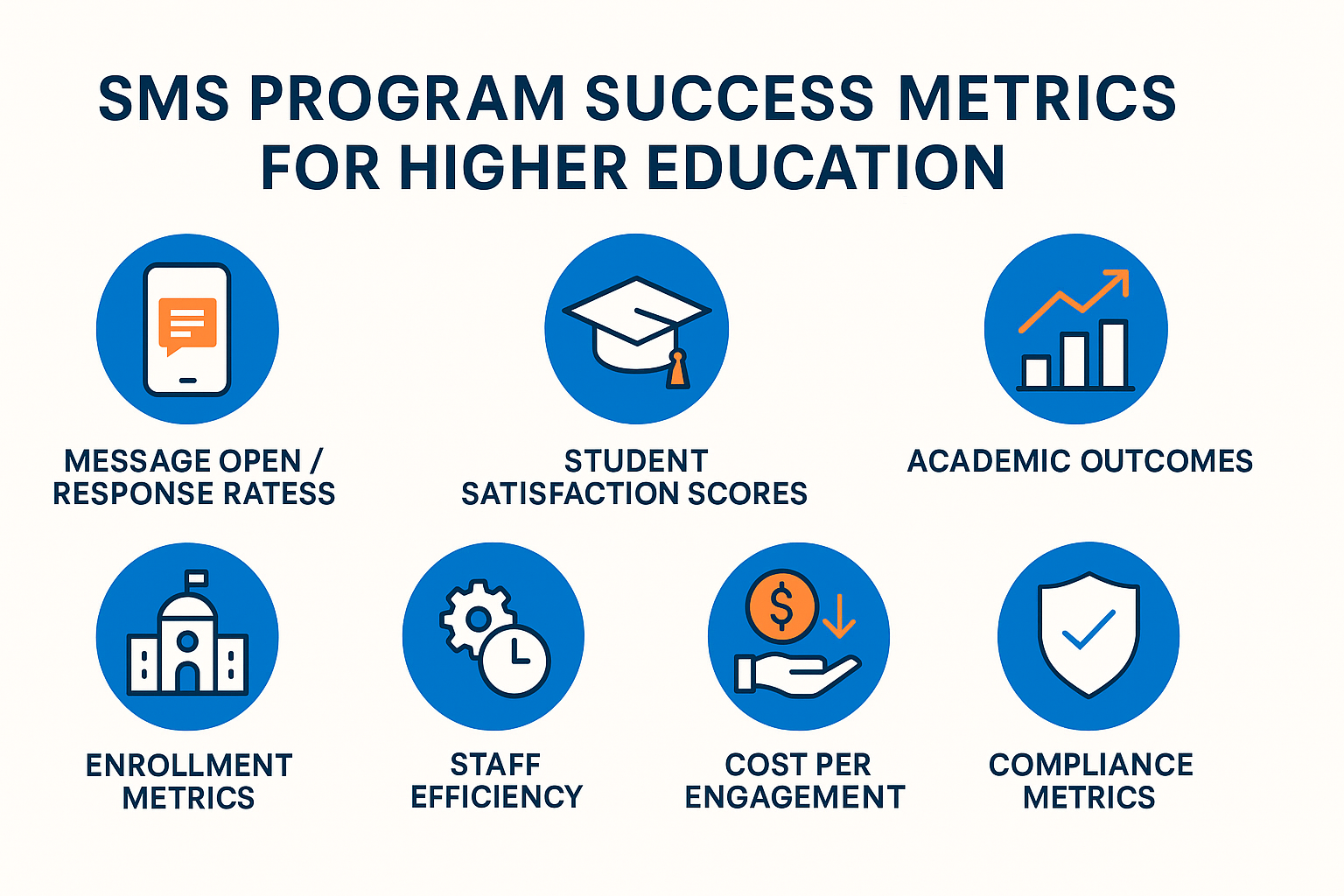
7 Key Metrics for Measuring SMS Program Success
Tracking the right metrics provides insight into program effectiveness and guides optimization efforts. Successful SMS programs monitor both engagement statistics and meaningful outcomes that align with institutional goals.
- Message open and response rates provide immediate feedback on communication effectiveness. While SMS typically achieves high open rates, response rates vary based on message quality, timing and relevance. Track these metrics by audience segment and message type to identify opportunities for improvement.
- Student satisfaction scores through surveys and feedback mechanisms indicate whether messaging enhances or detracts from the student experience. Regular feedback collection helps identify issues early and demonstrates institutional commitment to student preferences.
- Academic outcome correlations, such as GPA improvements, retention rates and completion percentages, measure the ultimate impact of SMS communication on student success. These metrics may require longer observation periods but provide the most compelling evidence of program value.
- Enrollment and registration metrics track how SMS influences critical institutional processes. Improvements in application completion rates, enrollment confirmations and deadline adherence demonstrate direct operational benefits.
- Staff efficiency measurements evaluate how SMS automation affects administrative workload. Time savings and improved workflow efficiency contribute to program ROI calculations.
- Cost per engagement and cost per outcome calculations compare SMS expenses to results achieved, providing clear ROI evidence for program expansion and investments.
- Compliance and security metrics ensure that programs maintain required standards while achieving engagement goals. Regular audits of consent management, data protection and privacy practices protect both students and institutions.
Frequently Asked Questions
How do institutions ensure FERPA compliance when using SMS for student communication? FERPA compliance requires using platforms with built-in privacy protections, limiting sensitive information sharing via SMS, implementing proper access controls and maintaining audit trails. Purpose-built higher education platforms include these safeguards.
What's the difference between basic SMS and conversational texting platforms? Basic SMS sends one-way broadcast messages, while conversational platforms enable two-way dialogue, personalization, automation and integration with campus systems. Conversational platforms build relationships rather than just distributing information.
How often should institutions text students without being overwhelming? Frequency depends on the communication type and student preferences, but research suggests consistent, valuable messaging performs better than sporadic contact. Most successful programs send 1-3 messages per week with clear value propositions and easy opt-out options.
What engagement rates can institutions expect from SMS campaigns? SMS typically achieves higher engagement rates compared to traditional email, though results vary by message quality, timing and audience relevance. Well-crafted, personalized messages often exceed average performance.
Improve Student Engagement with the Right SMS Strategy
SMS for colleges has become an essential tool for supporting academic success and building meaningful relationships. As Gen Z continues to reshape higher education expectations, institutions that embrace mobile-first strategies will have significant advantages in attracting, engaging and retaining learners.
Thoughtful, relationship-focused higher education text messaging can drive measurable improvements in student outcomes, particularly for those who need support most. However, success requires strategic implementation, purpose-built platforms and genuine commitment to building authentic connections with students.
Modern Campus Message provides the specialized tools and expertise needed to implement effective SMS strategies that respect student privacy, comply with regulations and deliver meaningful results. Request a demo today to explore how conversational texting can strengthen your student engagement efforts and support learner success across every stage of their educational journey.
Last updated: November 19, 2025